- Teacher: Relly Koshy
- Teacher: Ciby Mathew
LMS for UIM-FRTI
Skip available courses








Available courses
- Teacher: Joseph Gerald
- Teacher: Jessie Hebbal
- Teacher: Relly Koshy
- Teacher: Jennifer Richard
Relationships are at the heart of our lives.
From the moment we are born, we begin connecting—with parents and caregivers, siblings and friends, teachers and colleagues, and eventually with those we choose as our life partners. These relationships shape who we are, how we think, how we feel, and even the choices we make.
But have you ever wondered:
-
Why do some relationships become deeply meaningful while others fall apart?
-
Why do we connect easily with some people but struggle with others?
-
What makes relationships grow, thrive, or gradually drift apart?
-
How do our personality, communication, decisions, culture, and conflicts shape our relationships?
This course invites you to look beneath the surface of everyday relationships and discover what makes them work.
Through theories and practical insights into self and others, communication, decision-making, relationship development, and conflict resolution, you will learn not only to understand relationships but also to build, nurture, strengthen, and repair them.
The goal is not simply to study relationships—but to develop the knowledge and skills to make a meaningful difference in our own lives, our families, our communities, and the lives of those we serve.
Because understanding relationships is not just an academic skill—it is a life skill.
- Teacher: Jessie Hebbal
- Teacher: Jennifer Richard
- Teacher: Nissi Samuel
In the context of increasing marital conflicts, adjustment problems and marital breakdowns, there is a growing need for a Christian response. This course provides a foundational understanding of counseling principles and approaches, with a special focus on family counseling. It explores the role, qualities, and responsibilities of the counselor while equipping learners with essential layman counseling skills to support individuals and families. Emphasis is placed on self-awareness, self-care, and holistic wellness as key elements influencing family relationships. Through theoretical learning and practical application, students will examine family dynamics across life stages, understand the common challenges and impact of stress and childhood experiences. They will also become aware of the various modalities and professional approaches to marriage and family counseling. They will develop the ability to identify and refer individuals and couples to appropriate support resources along with understanding the diverse ethical considerations.
- Teacher: Sherine Rachel John
- Teacher: Priscilla Brighton
- Teacher: Relly Koshy
First-year MA Family Life Education students must complete 80 internship hours through seminars, workshops, field visits, or volunteering. Students will record their activities in an individual log and submit a two-page field observation report.
In the second year, as part of the practicum, students must complete an additional 80 hours.
- Teacher: Priscilla Brighton

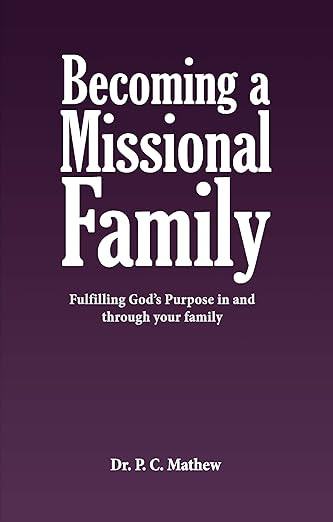
The mission of God is a family mission, starting from the family of the Godhead. This course focuses on understanding how God’s redemptive work is done through households that are willing to partner with Him. Drawing on Dr. P.C. Mathew’s research, the course explores five key characteristics of missional families.
- Teacher: Binny Abraham
- Teacher: Moodle Admin
- Teacher: Priscilla Brighton
- Teacher: Jennifer Richard
Dear Students,
A warm welcome to the Parental Education and Guidance class!
It is my joy and privelege to join you this month in facilitating this course. As your course faculty, I'm eager to facilitate meaningful discussions, share insights, and learn from each other's experiences.
As we explore the principles and practices of effective parenting, may the Lord grant us wisdom, discernment, and guidance.
May our time together be a source of encouragement, support, and growth, empowering us to positively impact our families and communities.
I'm looking forward to our time together!
Blessings,
Sunitha Prasad
Course Faculty
- Teacher: Sunitha Prasad
- Teacher: Jennifer Richard
This course provides an overview of the foundational principles, goals, and practice of Family Life Education (FLE). An understanding of the diverse needs of families across cultures and life stages, and to integrating biblical and faith-based perspectives into family life education. Through discussion, reflection, and practical assignments, students will gain insight into the skills needed to educate, equip, and empower individuals and families to thrive in their relationships and responsibilities.
- Teacher: Relly Koshy
- Teacher: Isaac Krishna
This course equips students with the foundational skills necessary for academic
research and scholarly writing within the fields of counseling and family life
education. Students will learn how to develop research questions, conduct
literature reviews, and structure academic papers using appropriate citation
styles (APA format emphasized).
Through practical assignments and guided instruction, students will gain
confidence in writing research-based essays, project reports, and reflective
papers, preparing them for thesis writing or professional documentation in
counselling and family ministry contexts.
- Teacher: Joseph Gerald
- Teacher: Jessie Hebbal
- Teacher: Relly Koshy
- Teacher: Jennifer Richard
Course description:
An understanding of the general philosophy and broad principles of family life education in conjunction with the ability to plan, implement, and evaluate such educational programs. [e.g. Planning and Implementing; Evaluation (materials, student progress, & program effectiveness); Education Techniques; case studies; Use of mass media; Effective communications; Sensitivity to Others (to enhance educational effectiveness); Sensitivity to Community Concerns and Values (understanding of the public relations process).]
- Teacher: Babu Jacob
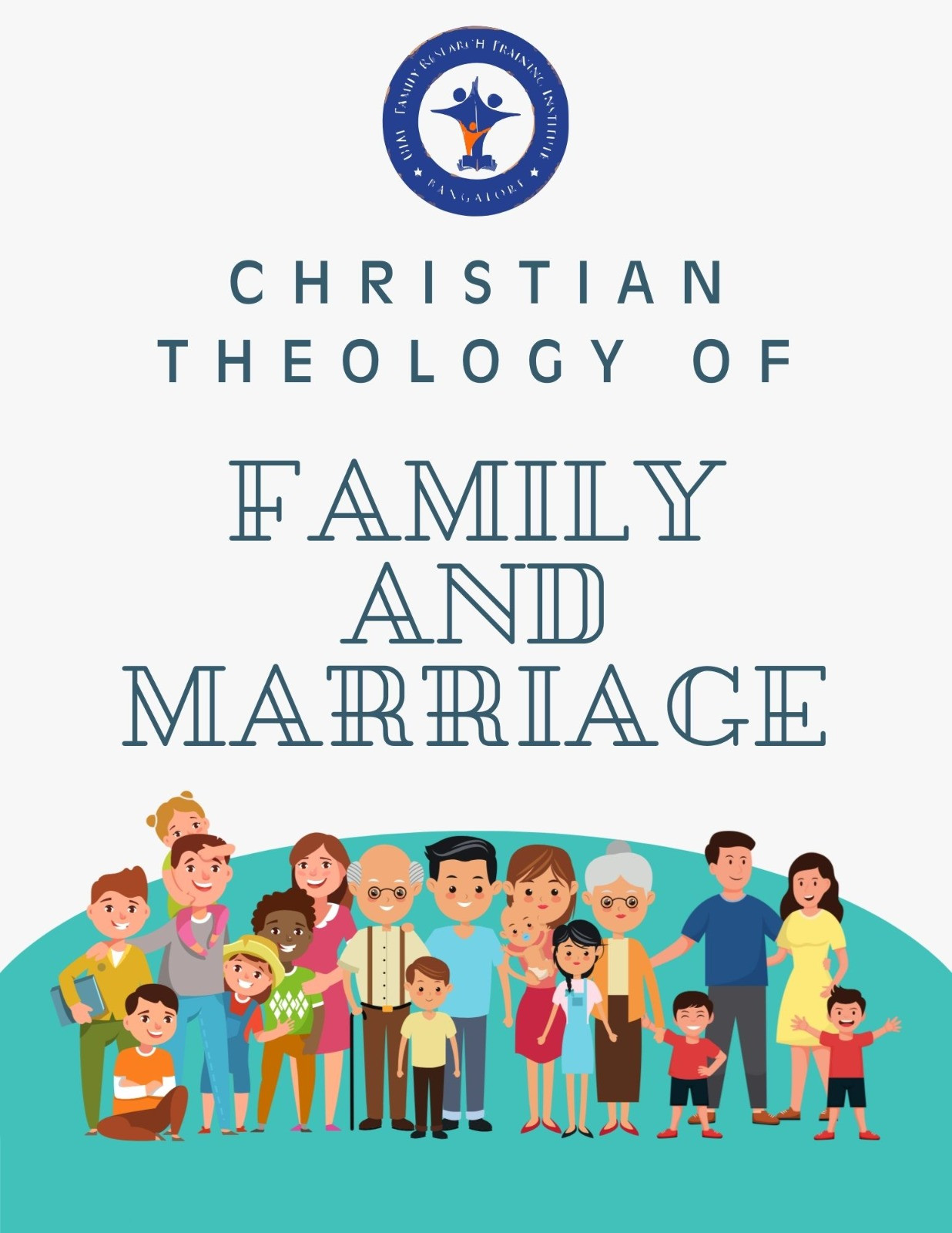
This course is aimed to study the theological perspective of marriage and family in order to stay faithful to the purpose of God , but staying culturally relevant and applicable for everyday living. Complex life situation and contemporary life challenges affecting families will be scrutinized through the understanding of God's Word to guide families in the right direction through the Wisdom of God and His purposes.
- Teacher: Brighton Anbu
- Teacher: Priscilla Brighton
- Teacher: P. C. Mathew
- Teacher: Sunitha Prasad
- Teacher: Chitra R J
- Teacher: Godly Raju
- Teacher: Juliet Varghese
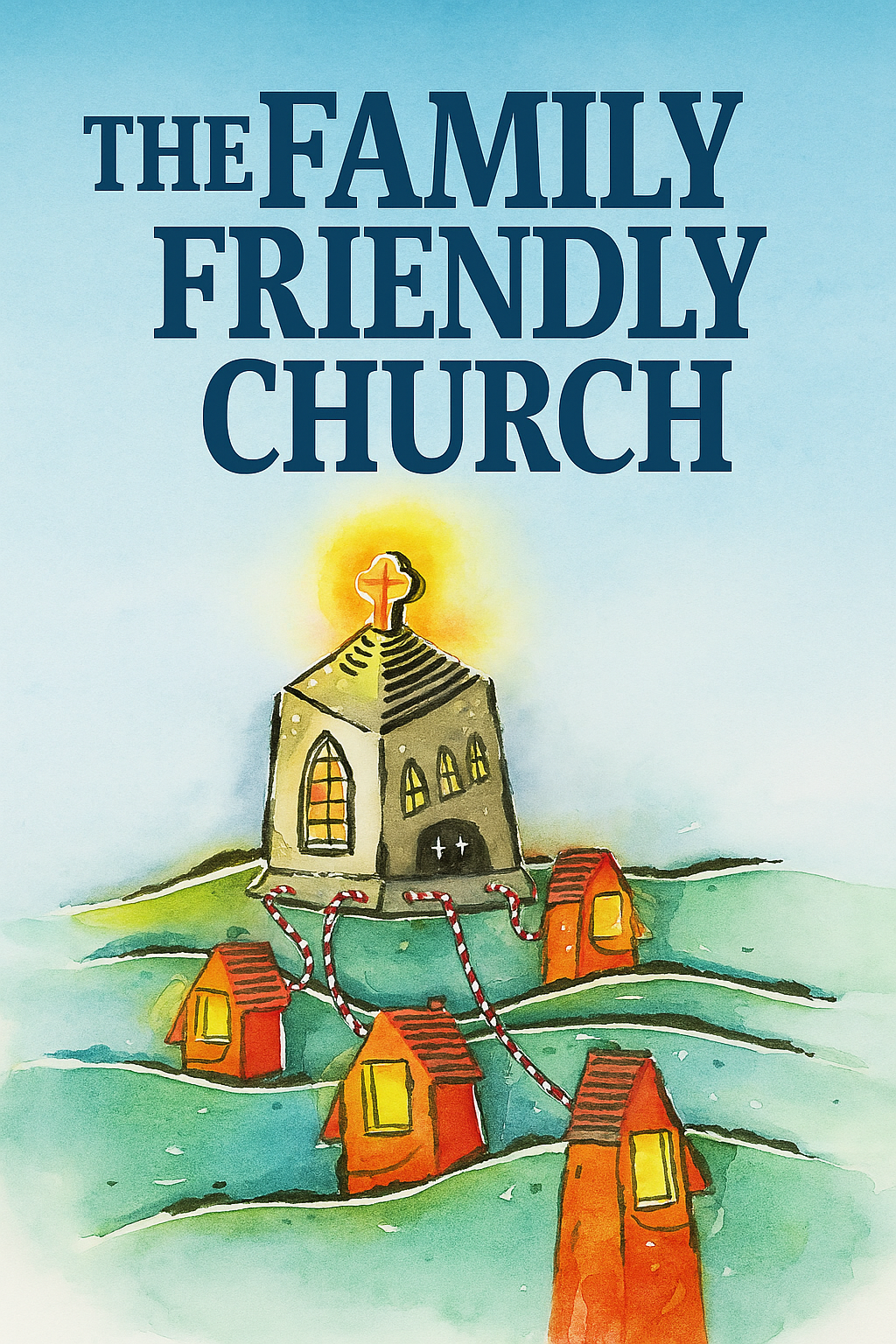
This Course explores how churches and other institutions can be family friendly through a paradigm shift. It explores how churches and institution can move from a traditional mindset where the role of the family supports the ongoing programs to focusing on the wellbeing of the family as a key for the wellbeing of the church and institution. The course equips learners with tools like family needs assessments and family-friendly church review tools, enabling them to become catalysts for change in their congregations.
- Teacher: Vijay Hebbal
- Teacher: Relly Koshy
- Teacher: Maco Susai
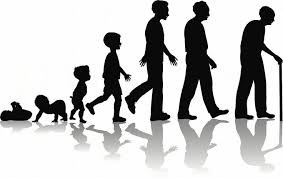
This course explores the dynamic and lifelong process of human growth and development across physical, emotional, cognitive, social, moral, personality, and spiritual domains from conception to death. It examines both typical and atypical developmental patterns, emphasizing the complex interplay of biological, psychological, and environmental factors.
- Teacher: Priscilla Brighton
- Teacher: Amy Thomas
This course introduces students to the foundational theories and practical applications of Positive Psychology the scientific study of human flourishing, strengths, and optimal functioning.
- Teacher: Priya Job
Course Objectives
- Understanding, analyzing and evaluating family as a basic social unit, including its definitions, types, functions and structures (20 hours - 8 teaching hours, 4 reading hours, 6 hours assignment)
- Analysing and evaluating families through the lens of major macro and micro social theories, and critically assessing the potential of using different theories in analysing and working with families (20 hours - 8 teaching hours, 4 reading hours, 6 hours assignments)
- Understanding families in their various socio-economic contexts – caste, class, gender, religion, culture, globalization, urbanization and migration etc., and Analyzing the impact of these socio-economic contexts on families (20 hours - 8 teaching hours, 4 reading hours, 6 hours assignments)
- Using social analysis as a tool in understanding and working with families in their socio-cultural contexts (40 hours - 6 teaching hours, 4 reading hours, 30 hours of doing social analysis and documenting it)
- Designing, planning, executing and evaluating Family Life Education programs using the tools of social analysis, social theories and current socio-cultural contexts. (20 hours of designing, planning, executing and evaluating an FLE program)
Outcomes:
- Family Life Educators understand, analyze and evaluate complexities of defining, classifying and decoding types, structures and functions of families
- Family Life Educators understand, analyze and evaluate complexities of societal influences on families and how they affect families, so as the understand families as part of the larger socio-cultural context
- Family Life Educators learn basic family theories and social theories on family and use it as a tool of social analysis of families
- Family Life Educators use societal theories, socio-cultural contexts and social analysis as an effective tool in studying and working with families and impacting change/ growth.
- Teacher: Chitra R J
This is a course that will explore how philosophies, values, approaches, and models of Family Life Education can be used to help communities. This paper will also focus on understanding the opportunities as well as the challenges of working with Communities.
- Teacher: Raju Narayan
This course provides a comprehensive exploration of addiction, viewing it as a state of compulsion that can enslave an individual's will and desire. Recognizing addiction as a complex and relapsing brain disease, the curriculum delves into its neurological, psychological, social, and spiritual dimensions. Students will examine various forms of addiction, with a special focus on substance use, process/behavioral addictions like pornography, food, and gaming. The course is designed to equip future counselors with the foundational knowledge, biblical perspectives, and practical tools necessary to identify, understand, and provide basic counseling support to individuals and families struggling with addiction.
- Teacher: Godly Raju
- Teacher: Sherine Rachel John
- Teacher: Olive Nagarajan
- Teacher: Jennifer Richard
- Teacher: Juliet Varghese
- Teacher: Relly Koshy
- Teacher: Olive Nagarajan
- Teacher: Rufus Paul
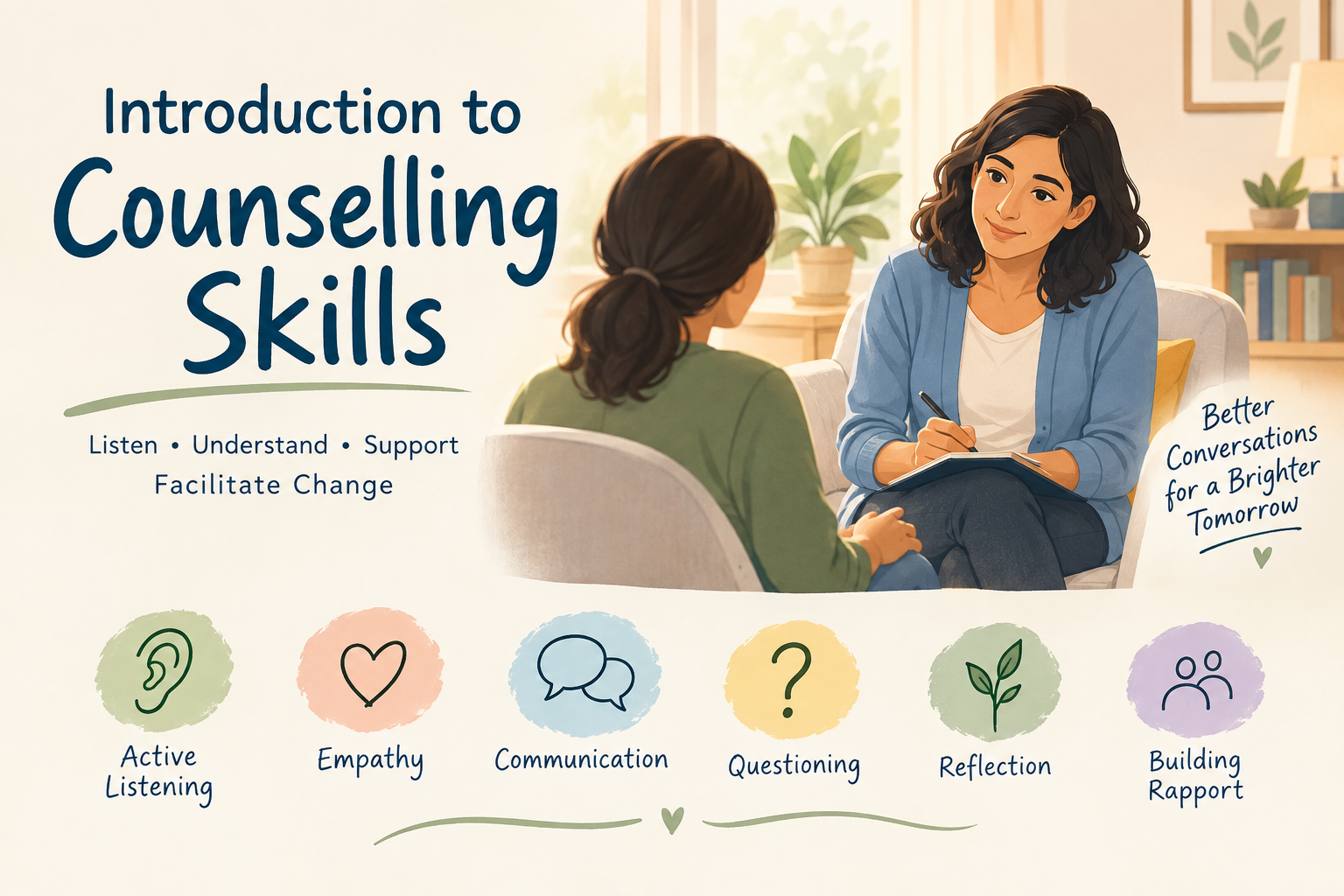
This course introduces the foundations of counselling, focusing on human needs, behaviour, and coping. Students will practice key skills such as empathy, active listening, and effective responding while exploring how people face emotional struggles and make choices. Through theory and hands-on practice, the course builds confidence in facilitating the process of wholistic transformation, resilience, and well-being within counselling and ministry contexts.
- Teacher: Sherine Rachel John
- Teacher: Olive Nagarajan
- Teacher: Juliet Varghese
- Teacher: Priya Job
- Teacher: Relly Koshy
- Teacher: Juliet Varghese
- Teacher: Moodle Admin
- Teacher: Relly Koshy
- Teacher: Olive Nagarajan
- Teacher: Jennifer Richard
- Teacher: Rashmi Vijayan
About the Course/Subject: This course provides an introduction to counselling and imparts the basic skills involved in its practice. The course is designed to give the students an idea about the definition of counselling and understand the distinct terminologies used in psychology as well as a basic model for understanding human behaviour and needs. Counselling skills are modelled in class and role-plays serve as a basis to grasp some of the skills and techniques involved. Practical assignments will be given for the investigation and contextual analysis of the student’s own life/counselling and will be utilized to encourage the move from theory into practice.
Learning Objectives:
This course aims to:
· Explain the foundations of Christian counselling, integrating biblical principles and the role of faith in the counselling process.
· Demonstrate core counselling skills and techniques suited for ministry and faith-based contexts.
· Identify and respond to human needs within a counselling setting, including recognizing when to refer for holistic care.
Course Outcomes:
- Understand the foundations of Christian counselling, integrating biblical principles and the role of faith in practice.
- Recognize the counsellor’s role, the counselling process, and the challenges that arise within it.
- Apply key counselling skills and techniques relevant to ministry and faith-based settings.
- Identify human needs and appropriate responses within a counselling context, including referral options for holistic care.
- Appreciate the breadth and relevance of the counselling field within Christian ministry.
- Teacher: Juliet Varghese
- Teacher: Rufus Paul
- Teacher: Juliet Varghese
- Teacher: Relly Koshy
- Teacher: Jennifer Richard
Course Description:
This course provides an in-depth exploration of marriage and family counseling with a focus on parenting. Students will examine key theories, models, and practices related to parent-child dynamics, attachment, and family systems to equip them in counseling families with parenting challenges. The course also provides tools and learning experience that can lead to facilitation of meaningful psychoeducation for parents in the present day and age. Topics studied in this course include the neurobiology of attachment, the Circle of Security model, family protective factors, and strategies for fostering regulation and resilience in children with focus on the Neurosequential model. The key therapy included will be dialectical behavior therapy (DBT) with parenting focus and application of key concepts for regulated parenting. Emphasis is placed on applying evidence-based approaches to support healthy family relationships and address contemporary challenges in parenting.
This is a 4-credit course covering experiential learning in the classroom and associated practicum.
Practical assignments will be given for the investigation and contextual analysis of the student’s own life/counseling practice and will be utilized to encourage the move from theory into practice.
Course Objectives:
By the end of the class, students are expected to be able to:
• Analyze parenting styles and their influence on attachment in children.
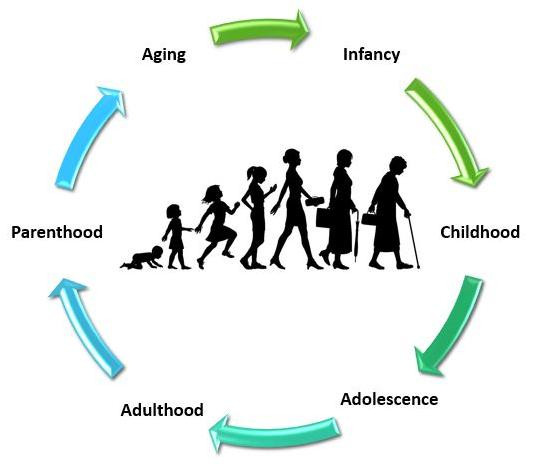
• Explore the stages of parenthood and examine parent-child dynamics across the lifespan.
• Understand and apply the Parenting Pyramid model to real-life parenting scenarios.
• Examine child development through the lens of Positive Childhood Experiences (PCEs) and Adverse Childhood Experiences (ACEs)
• Examine the neurobiological foundations of attachment and their impact on relational development.
• Understand and apply the Circle of Security framework and family protective factors, in parenting and caregiving contexts.
• Analyze the role of regulation and mirroring in child development, emphasizing the Neuro-sequential Model.
• Validate and align interventions to help parents regulate emotions and behaviours using DBT
• Frame strategies for helping parents/ caregivers develop and reinforce the child's new skills and healthy behaviours
• Tools for helping counselees restore, build. and maintain healthy relationships with their children
- Teacher: Sherine Rachel John
- Teacher: Olive Nagarajan
- Teacher: Juliet Varghese
About the Course/Subject: This course explores the dynamic and lifelong process of human growth and development across physical, emotional, cognitive, social, moral, personality, and spiritual domains from conception to death. It examines both typical and atypical developmental patterns, emphasizing the complex interplay of biological, psychological, and environmental factors. Classical and contemporary theories, current research, and practical applications are integrated to equip future Family Life Educators and Marriage Family Counsellors with insights and tools to support healthy, holistic development in individuals and families.
Learning Objectives:
This course aims to:
- Describe key developmental changes across physical, emotional, cognitive, social, and moral domains throughout the lifespan.
- Apply classical and contemporary developmental theories to parenting practices and diverse family contexts.
- Reflect on the influence of family dynamics and personal growth in supporting healthy development and holistic well-being.
Course Outcomes:
- Understand the key developmental changes in various domains (physical, emotional, cognitive, social, moral, personality, and spiritual) across the lifespan.
- Analyse the interrelationship between different developmental domains and the interaction of hereditary and environmental factors.
- Apply classical and contemporary developmental theories to real-life situations and case studies.
- Evaluate the role of professionals and families in influencing developmental outcomes and fostering growth.
- Reflect on personal development and explore holistic self-care through the use of theories they learn.
- Teacher: Olive Nagarajan
- Teacher: Juliet Varghese
- Teacher: Sherine Rachel John
- Teacher: Olive Nagarajan
- Teacher: Juliet Varghese
This course explores the integration of counselling and psychology from a Christian worldview. Learners will analyse how mature faith can be thoughtfully combined with professional counselling practice. Foundational models that link psychology, theology, and spiritual formation will be examined. Students will also develop and apply core counselling skills through an integrative framework that encourages reflective practice and spiritual discernment.
Learning Objectives
- To examine the theological and psychological foundation for the contemporary idea that “all truth is God’s truth.”
- To expose and evoke theological and psychological response to Non-Integrative, Limiter of Science, and Humanizer of Science positions.
- To learn and begin training in an integrative counselling skills model.
Course outcomes:
- Recall and describe foundational theological and psychological principles that support the idea that “all truth is God’s truth.”
- Understand and explain key differences between integrative and non-integrative views of psychology and counselling, including the Limiter of Science and Humanizer of Science perspectives.
- Apply an integrative counselling skills model in practical settings using the Carkhuff framework.
- Analyse how psychological theories and spiritual insights can be interwoven in real-world counselling scenarios.
- Evaluate (a few) counselling approaches in light of Christian theological values and principles of spiritual formation.
- Teacher: Stephen Stratton
- Teacher: Juliet Varghese
This course equips students with the foundational skills necessary for academic research and scholarly writing within the fields of counselling and family life education. Students will learn how to develop research questions, conduct literature reviews, and structure academic papers using appropriate citation styles (APA format emphasized).
Through practical assignments and guided instruction, students will gain confidence in writing research-based essays, project reports, and reflective papers, preparing them for thesis writing or professional documentation in counselling and family ministry contexts.
Learning Objectives:
By the end of this module, students will be able to:
- Demonstrate understanding of academic writing, presentation, and submission protocols.
- Evaluate digital tools and resources that enhance research and presentation quality.
- Apply APA formatting standards to academic documents and research papers.
Course Outcomes:
- To understand how to write, present, and submit the assignments and the research papers in the required format.
- To analyse the available tools for enhancing their presentations and research
- To create academic documents in line with APA format.
- Teacher: Joseph Gerald
- Teacher: Jessie Hebbal
- Teacher: Relly Koshy
- Teacher: Jennifer Richard
- Teacher: Juliet Varghese
Families often experience very challenging situations and stressors when a member of the family has special needs or mental illness. The aim of this course is to equip students to provide counselling support to such needy families. This course helps students understand various disabilities among children, help increase awareness about these disabilities, help parents understand and accept children with these disabilities, and help them cope with stress. This course also aims to educate students about certain common Mental Disorders and equip them to provide support for parents, spouses or caretakers of those who go through mental illness.
Learning Objectives:
This course aims to:
• Understand and apply key principles of Emotion-Focused Therapy, Conjoint Family Therapy, and the CURE Model in the context of Christian marriage counselling.
• Identify transitional stressors, communication patterns, and generational influences in marital and family systems.
• Demonstrate counselling skills through practicum, including case conceptualization, intervention planning, and Christ-centred approaches.
Course Outcomes:
• Identify diverse types of disabilities and learning challenges in children.
• Understand the importance of inclusiveness in both home and school environments.
• Recognize factors contributing to mental health and common mental disorders.
• Explore the counsellor’s role in supporting individuals with mental illness and their families.
• Apply foundational knowledge to promote mental health awareness and inclusive support.
- Teacher: keren -
- Teacher: Juliet Varghese
- Teacher: Relly Koshy
- Teacher: Kiran Moses
- Teacher: Olive Nagarajan
- Teacher: Juliet Varghese
This course is aimed to study the theological perspective of marriage and family in order to stay faithful to the purpose of God , but staying culturally relevant and applicable for everyday living. Complex life situation and contemporary life challenges affecting families will be scrutinized through the understanding of God's Word to guide families in the right direction through the Wisdom of God and His purposes.
- Teacher: Relly Koshy
- Teacher: P. C. Mathew
- Teacher: Jennifer Richard